




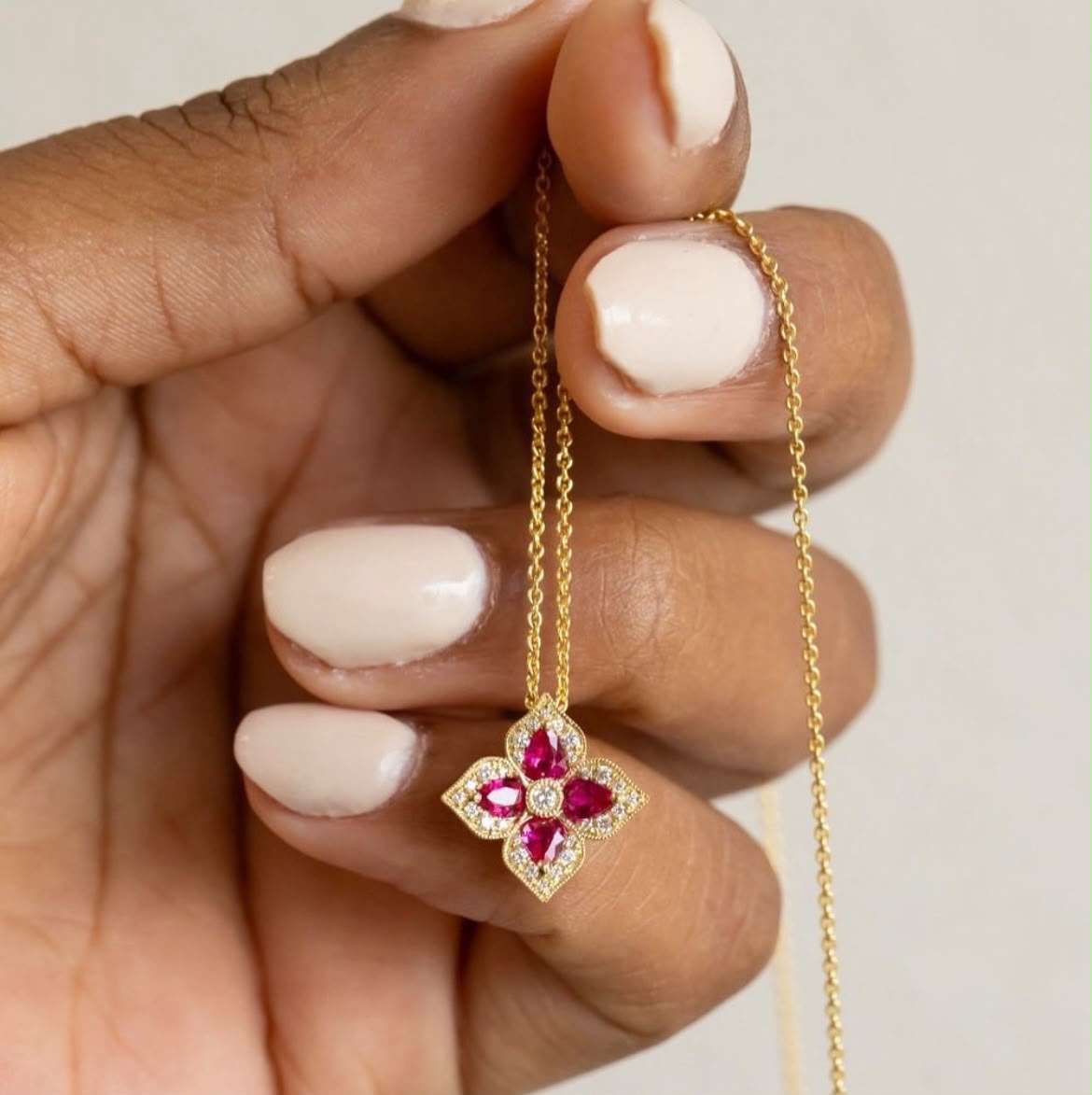


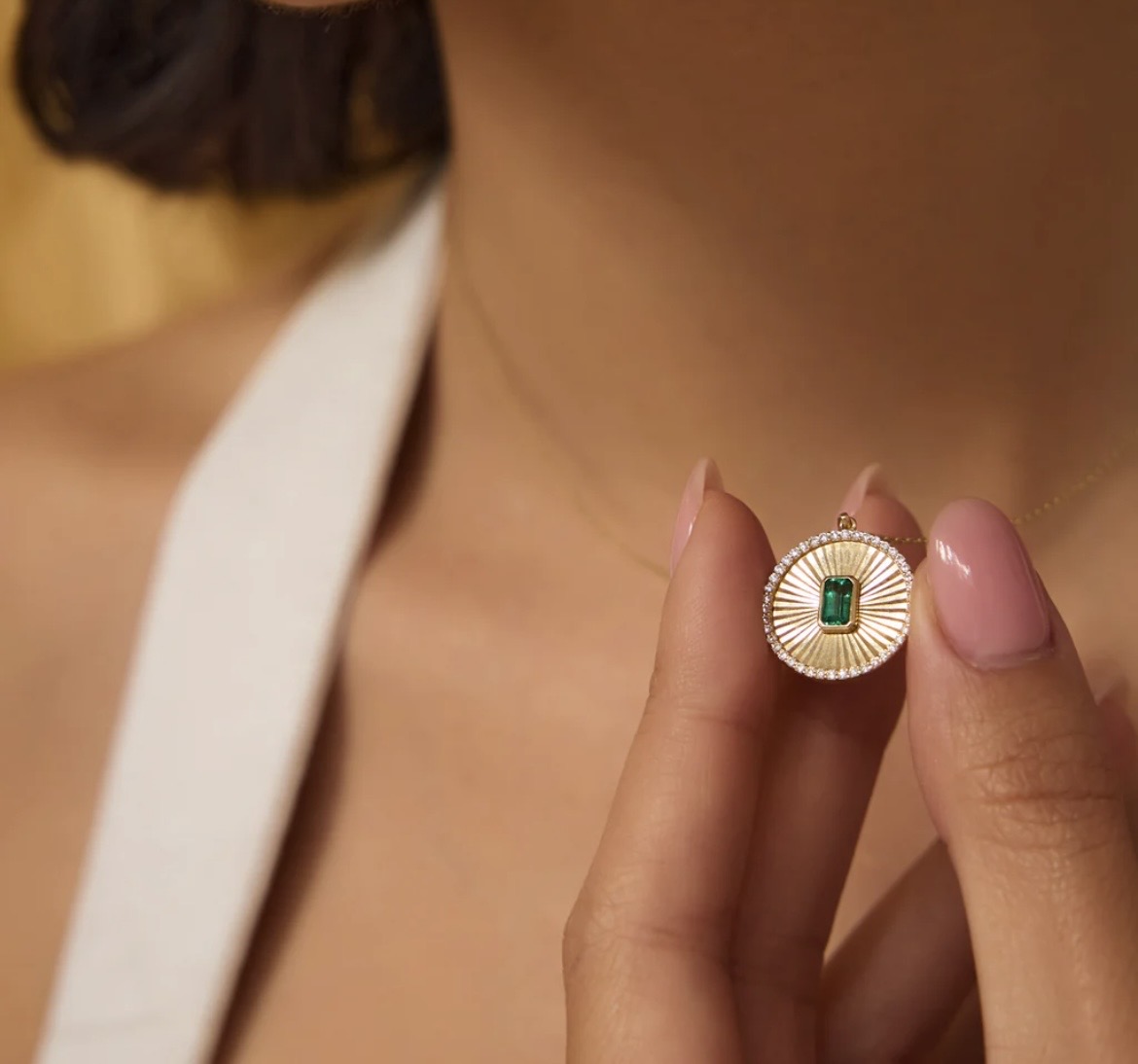
The Hands Behind the Stone
Behind every piece of fine jewelry is a chain of human hands. Hatatian exists because Hanly Mutsune saw how rarely those hands are thanked.
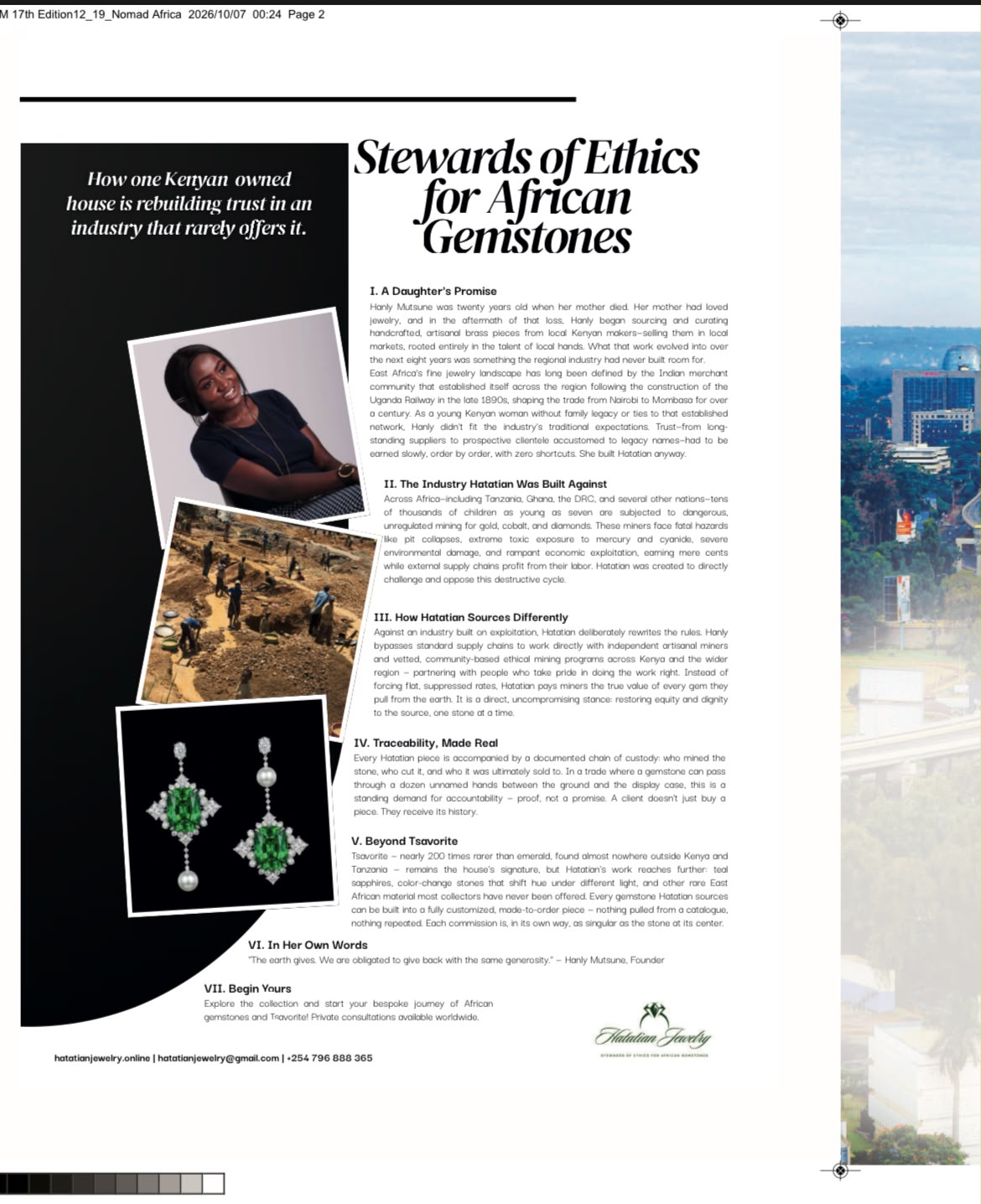
She was 20, a student in Nairobi, looking for a way to earn an extra living. She began selling brass jewelry to other students, to people she knew, and soon to people she didn't. As she came to understand the trade, she started building a collection of her own — and the more she learned, the further she was drawn from the surface of the business and into what sits beneath it.
What she found was a hidden, closely guarded side of luxury jewelry, rooted in artisanal and generational knowledge: the people who mine gemstones, the cutters who bring out the finest quality from rough stone, the goldsmiths who turn it into something worth wearing. They walk quietly and live simply. They rarely receive the recognition they deserve, because the world has never been taught to look for them. They make pieces for the outside world — and never see a fraction of what those pieces become.
"The people are what matter. They mine the stones, cut the best of them and craft the pieces — and they deserve to be seen."
That is Hatatian's why. It is a woman-led house, made in Kenya, built to honor those makers, to pay them fairly and to put their skill in the light. Hanly's late mother — who understood jewelry as a language of love — lives on in that legacy. But it is the people, and their craft, that the house exists for.
Craft, held to a standard
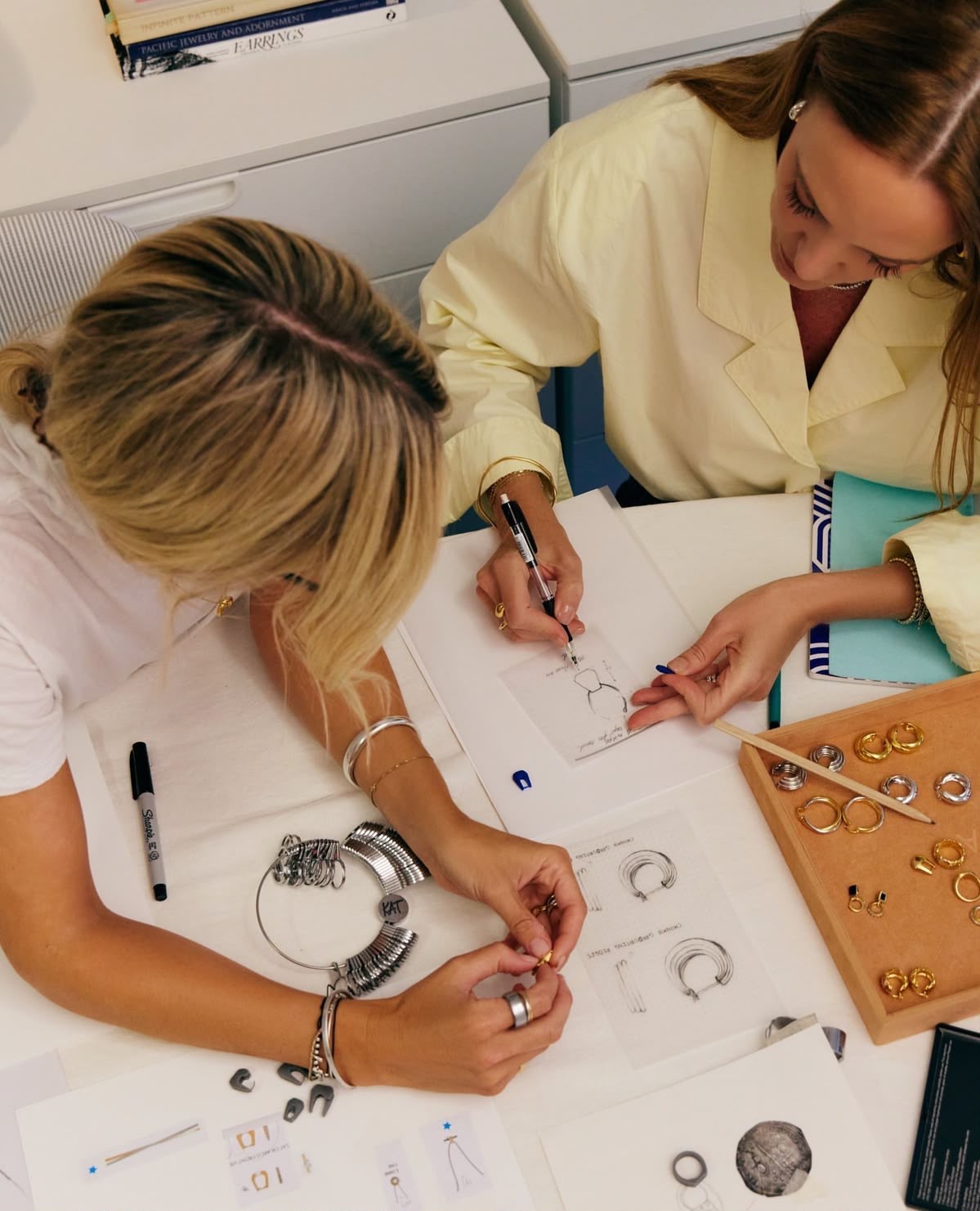
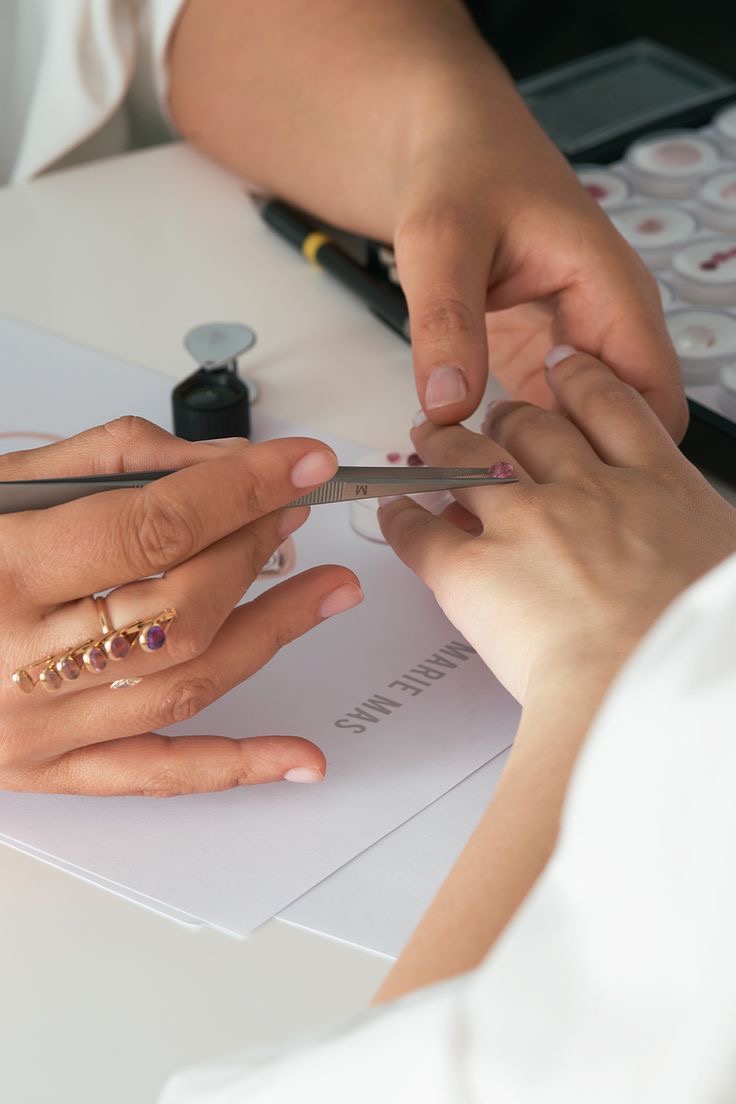
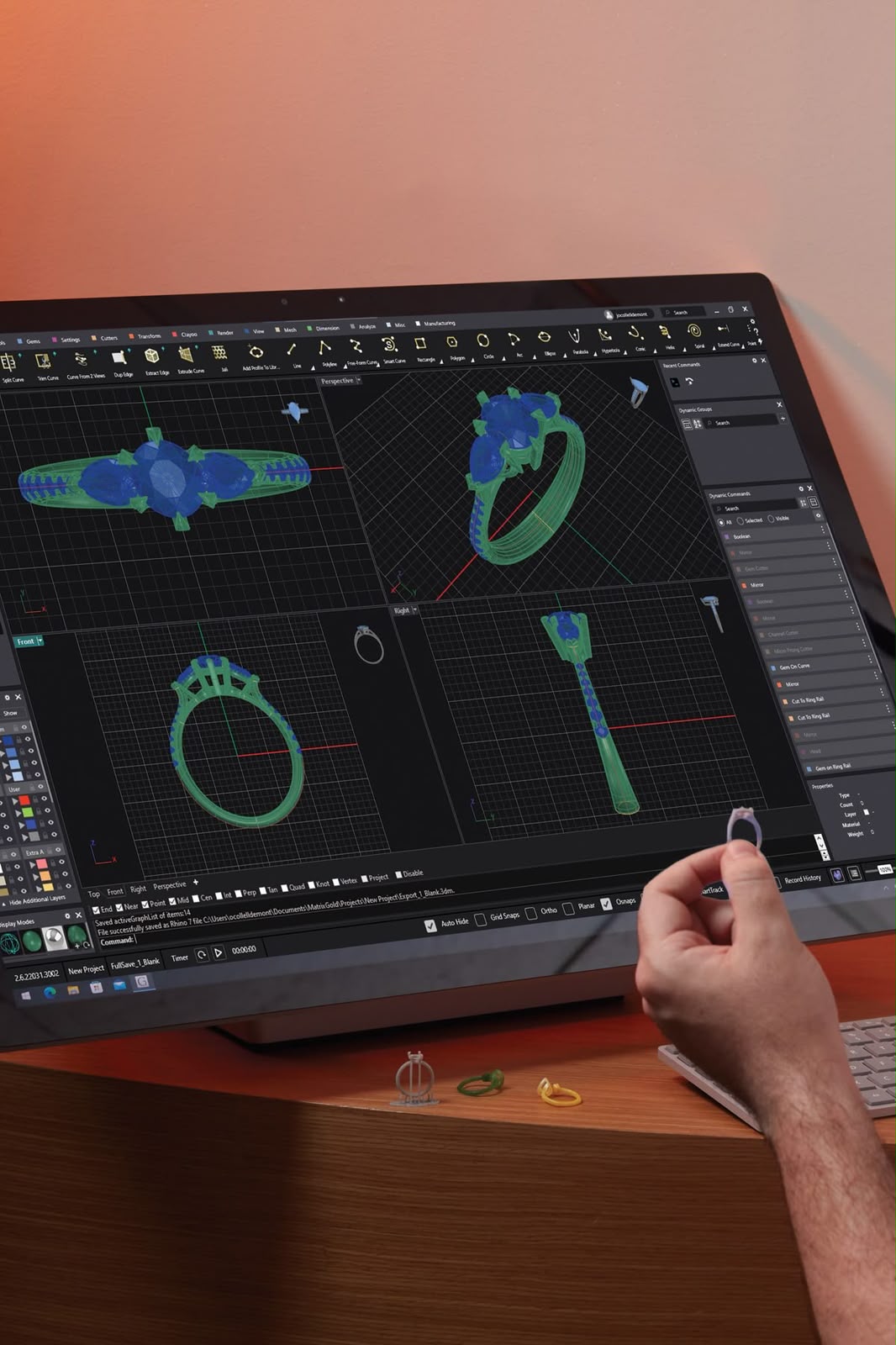
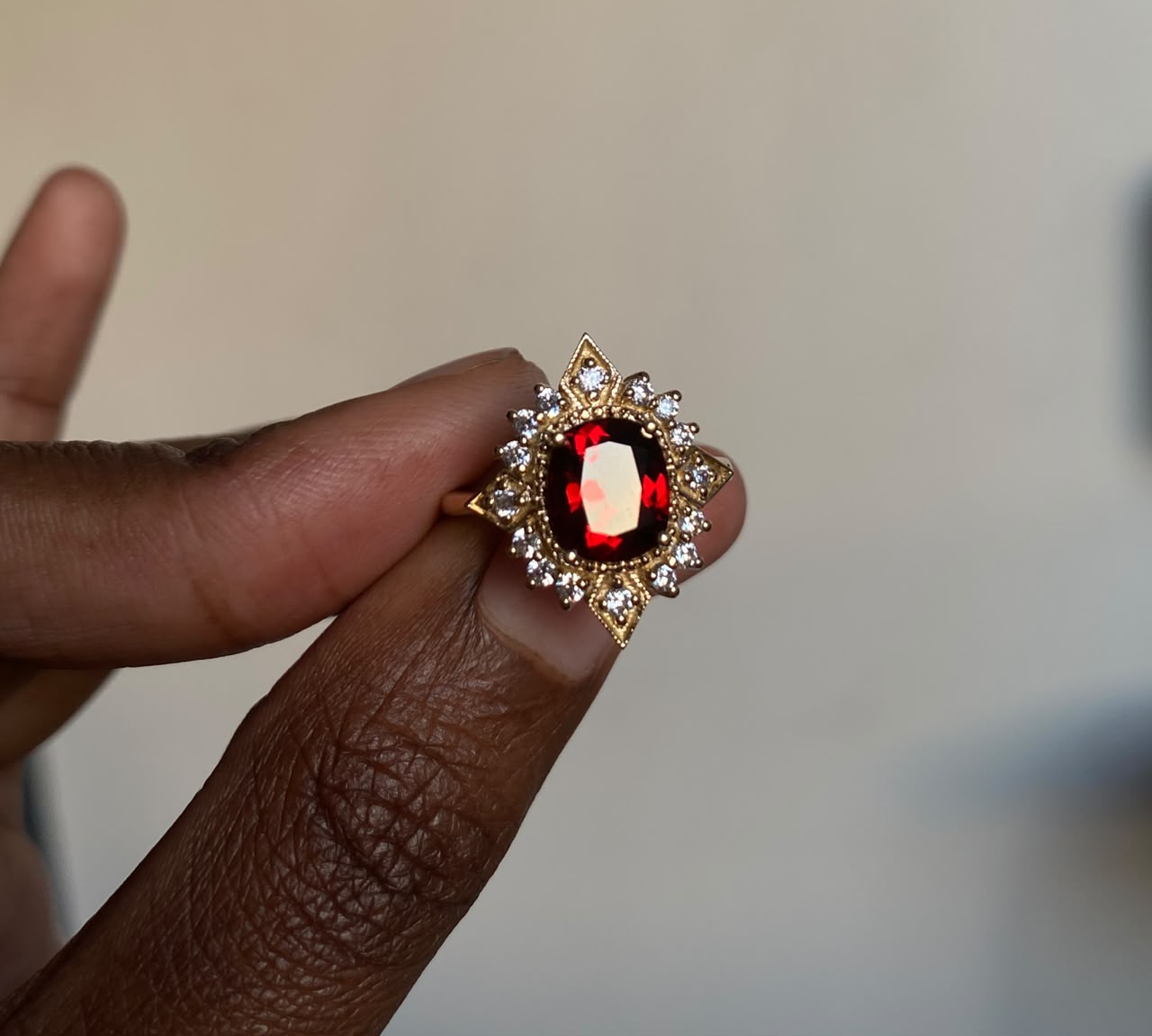
Hatatian began in Nairobi, Hanly's home city, and later moved to Mombasa — for room to expand and to work alongside deeper skill and craftsmanship. A Hatatian piece is never assembled from a catalogue. It begins with a private one-on-one consultation, moves through stone selection and a CAD design you approve before anything is cut, and is crafted and finished to be worn for a lifetime — then handed down. We take on a limited number of commissions each season because every one deserves full attention, and because skill is not something you can rush.
Ethics, even when no one is asking
The gemstone industry is not held accountable the way it should be. Too often no one is required to answer where a stone came from, who found it, or whether they were paid fairly for it — and Africa has watched its most precious resources leave with too little returned to the communities that uncovered them.
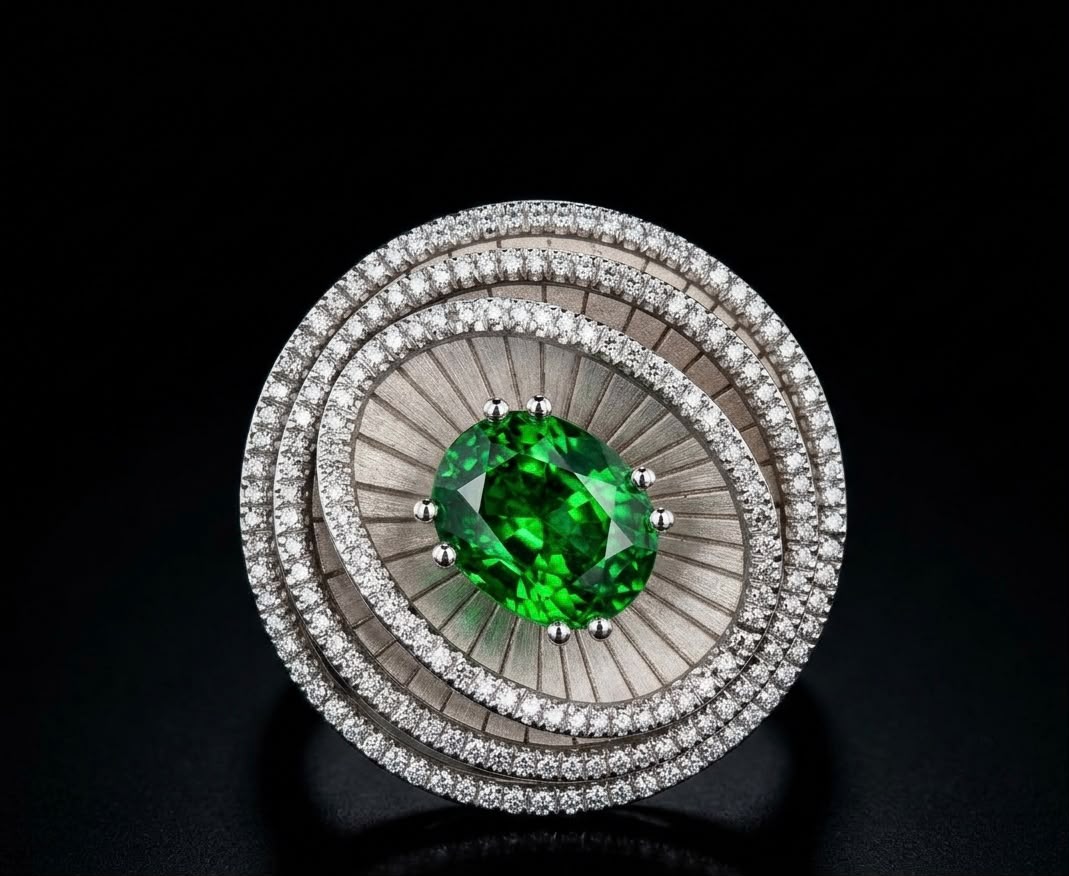
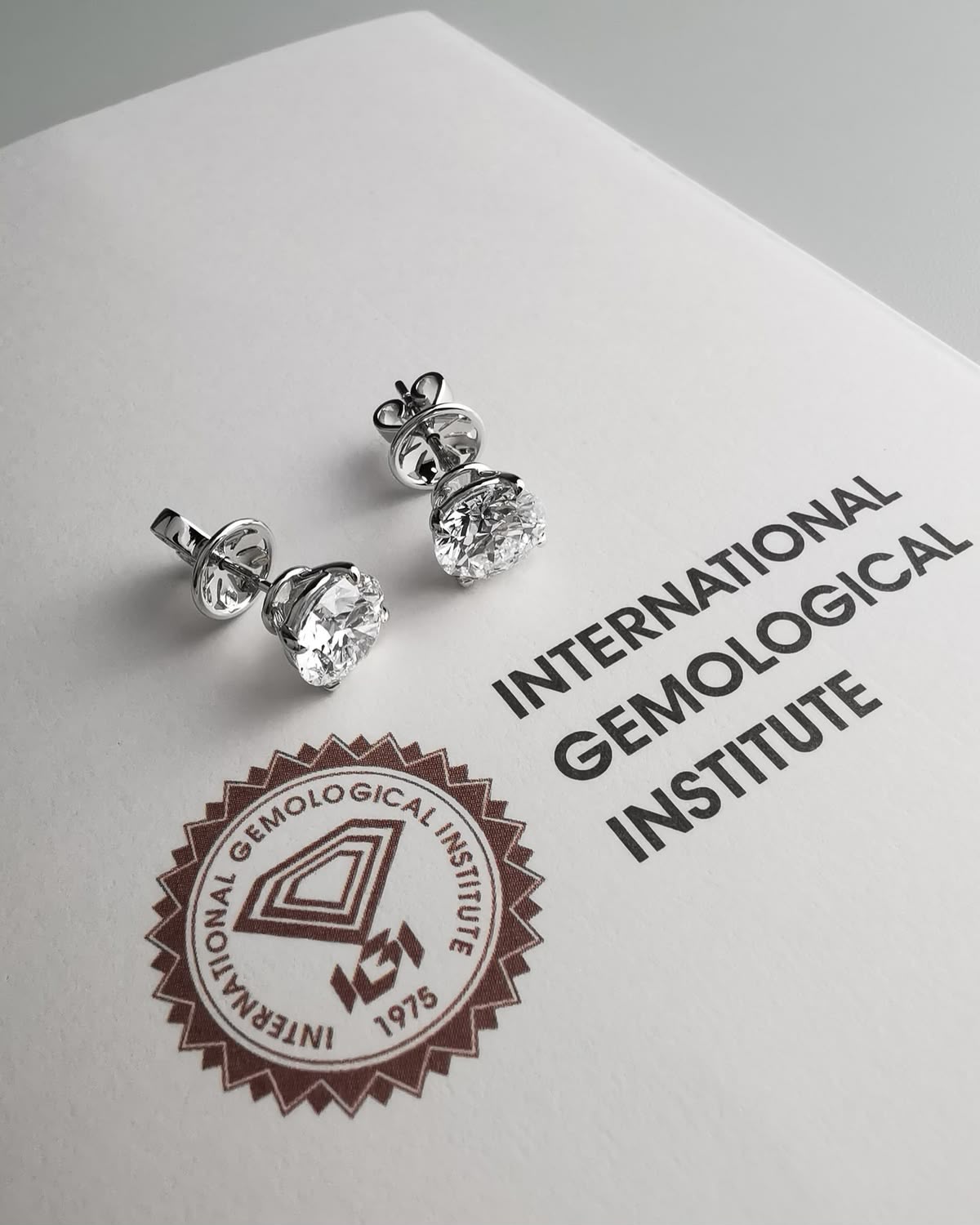
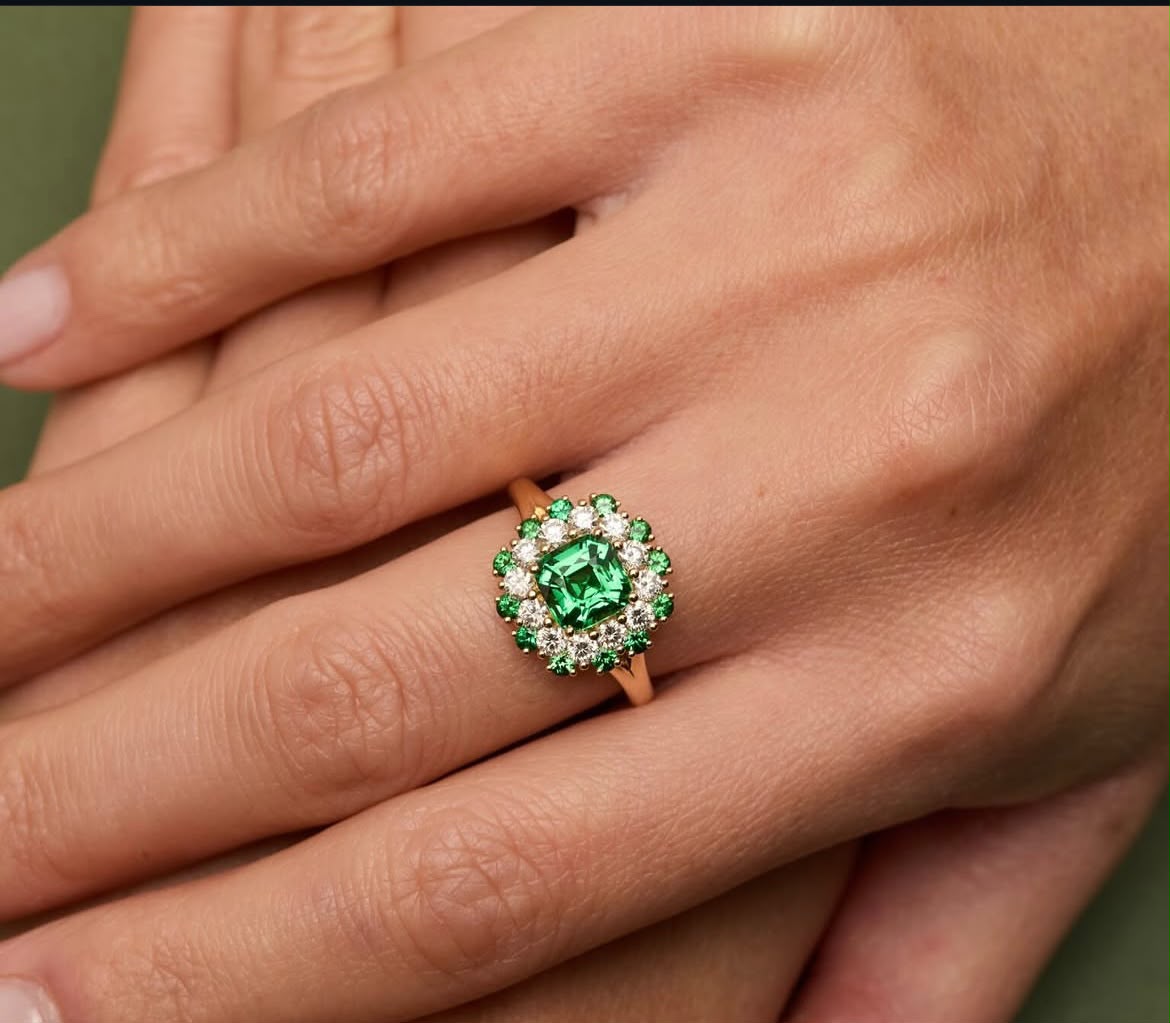
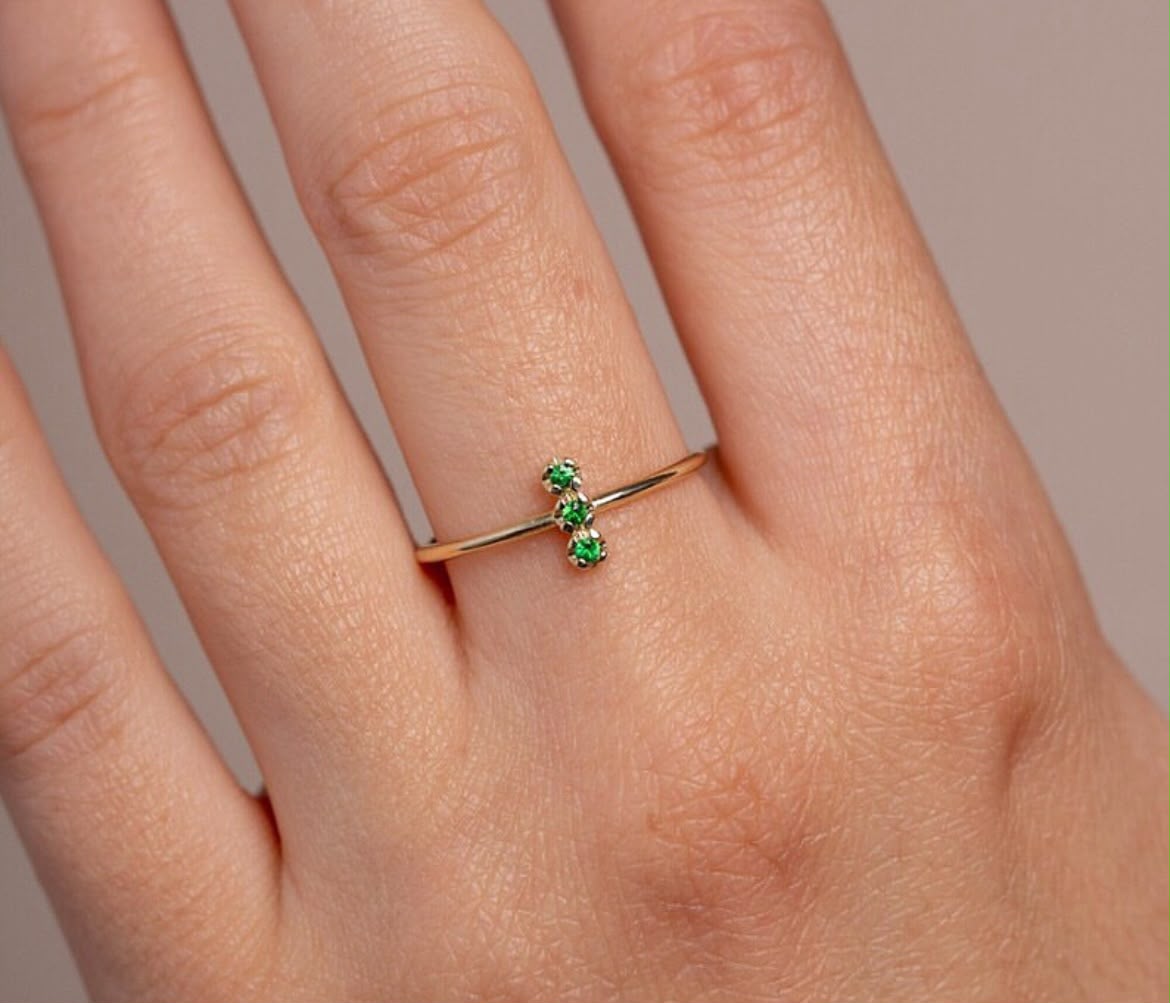
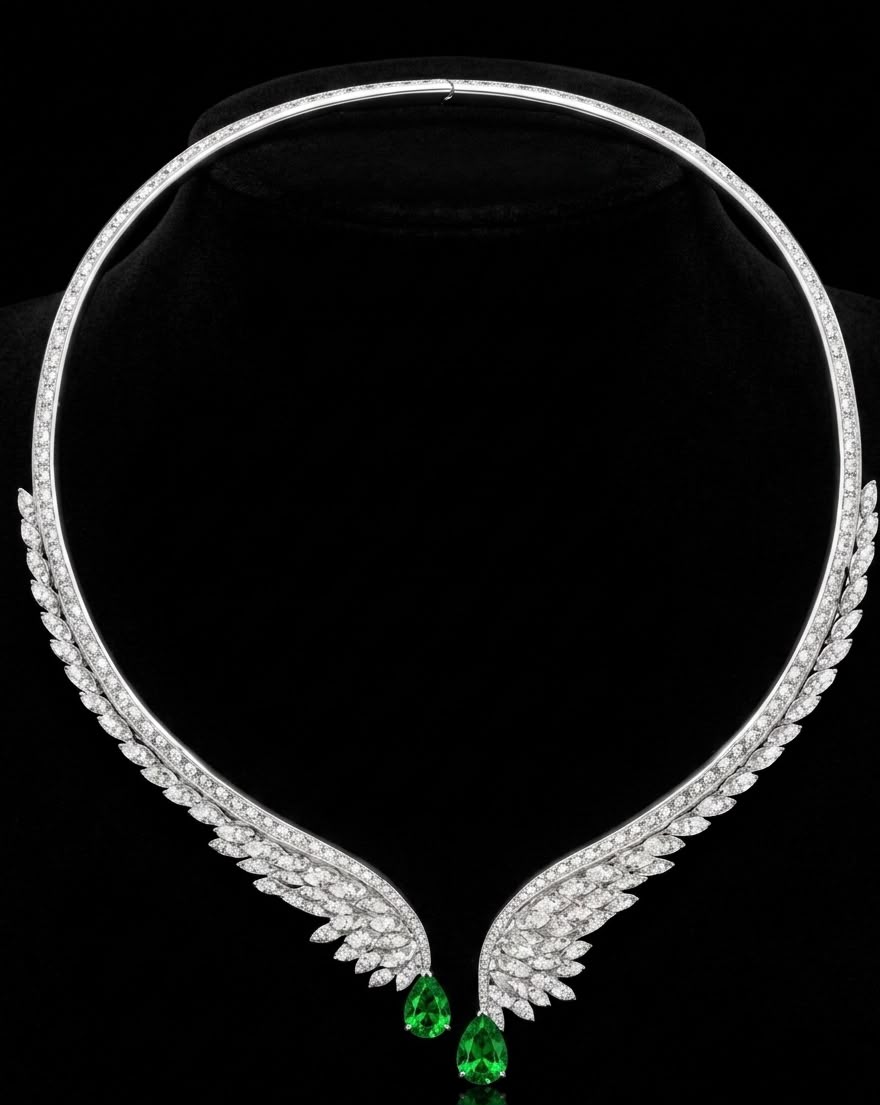
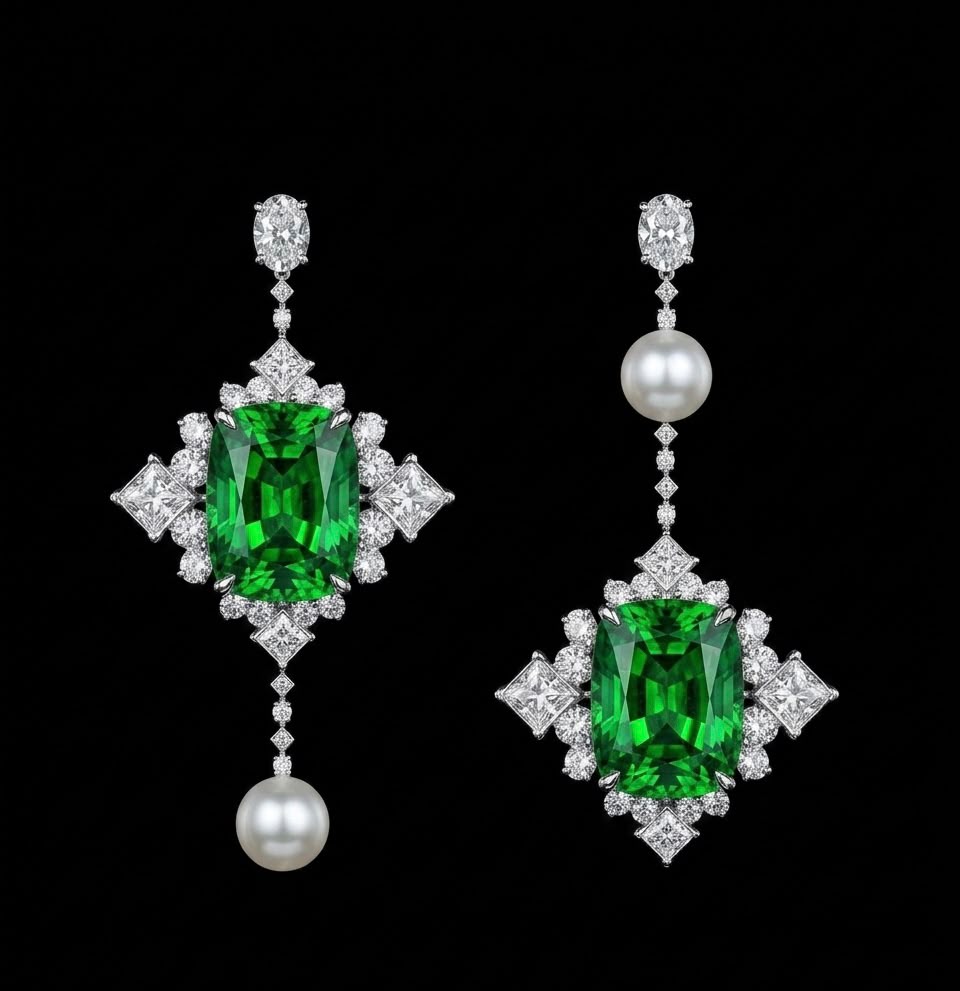
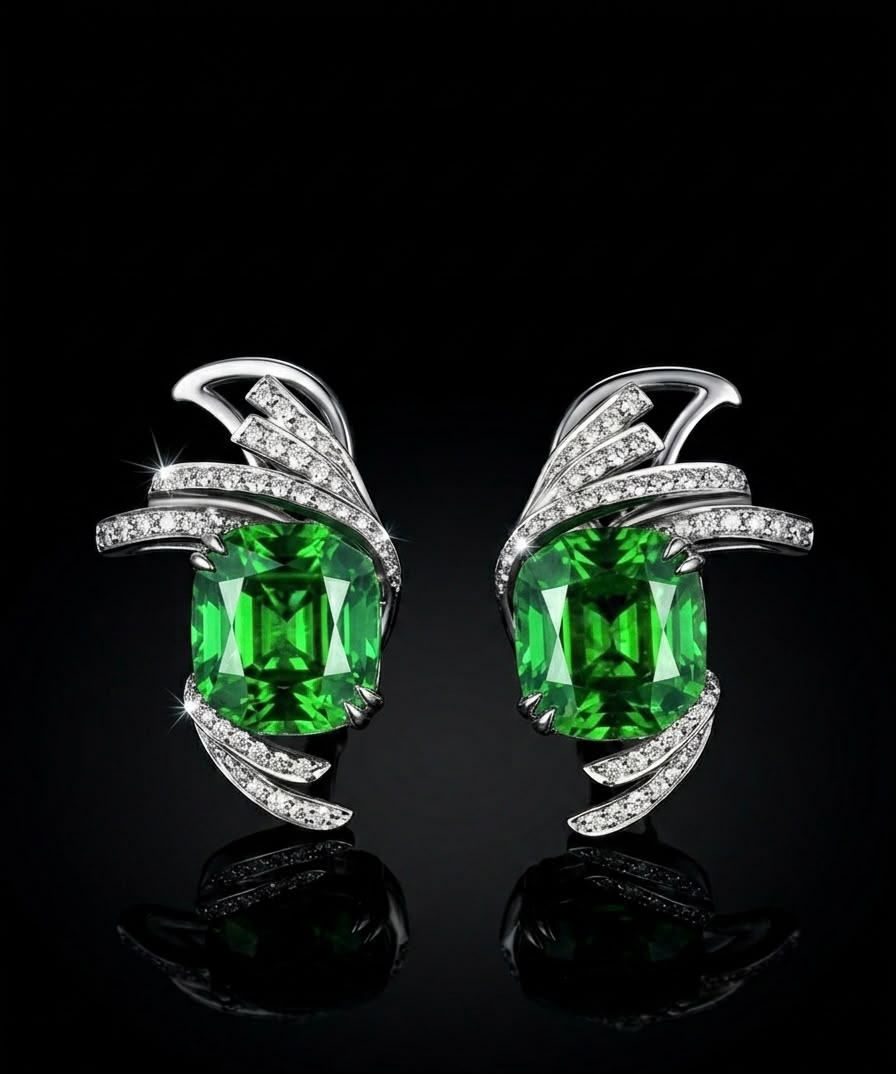
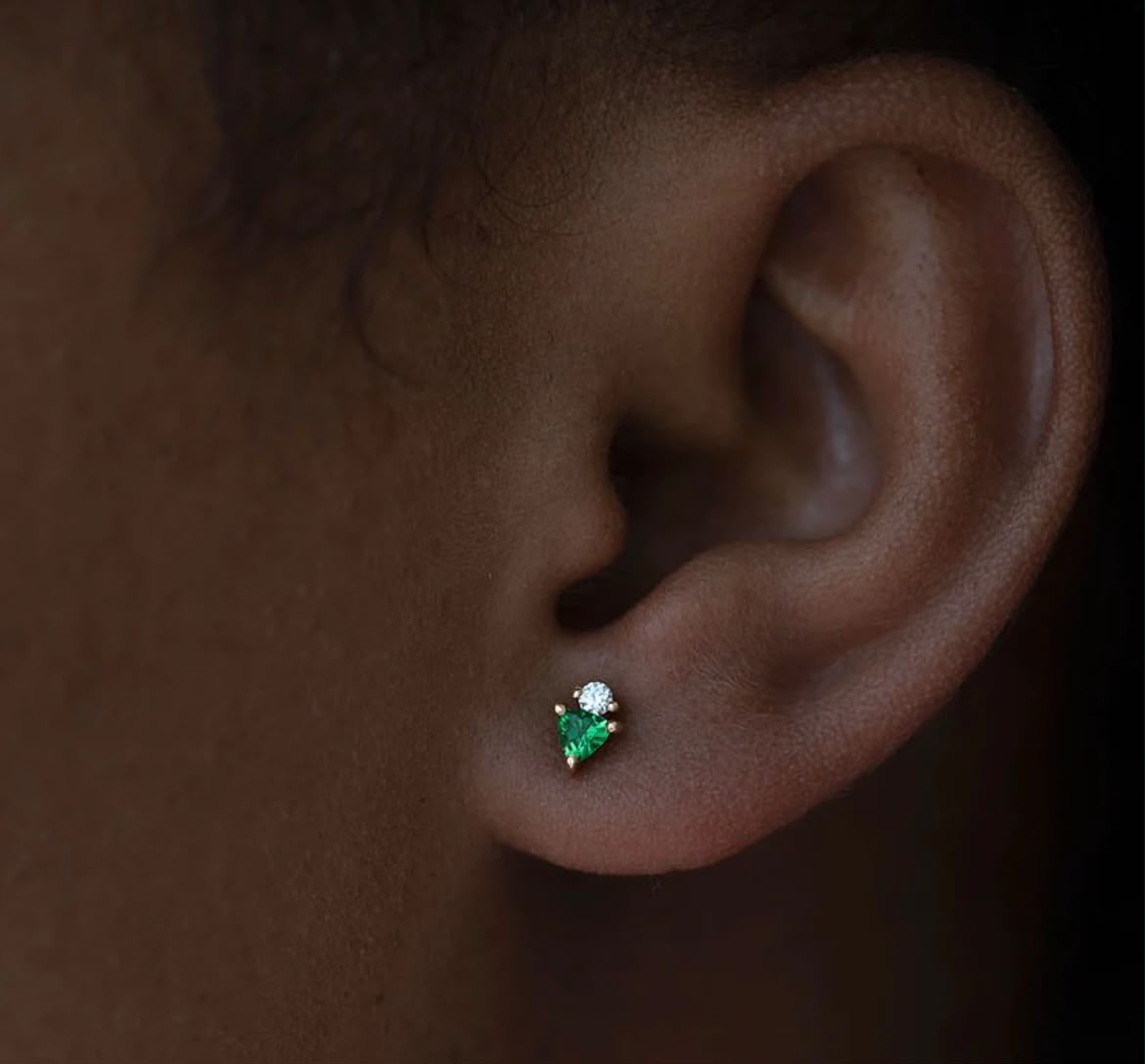
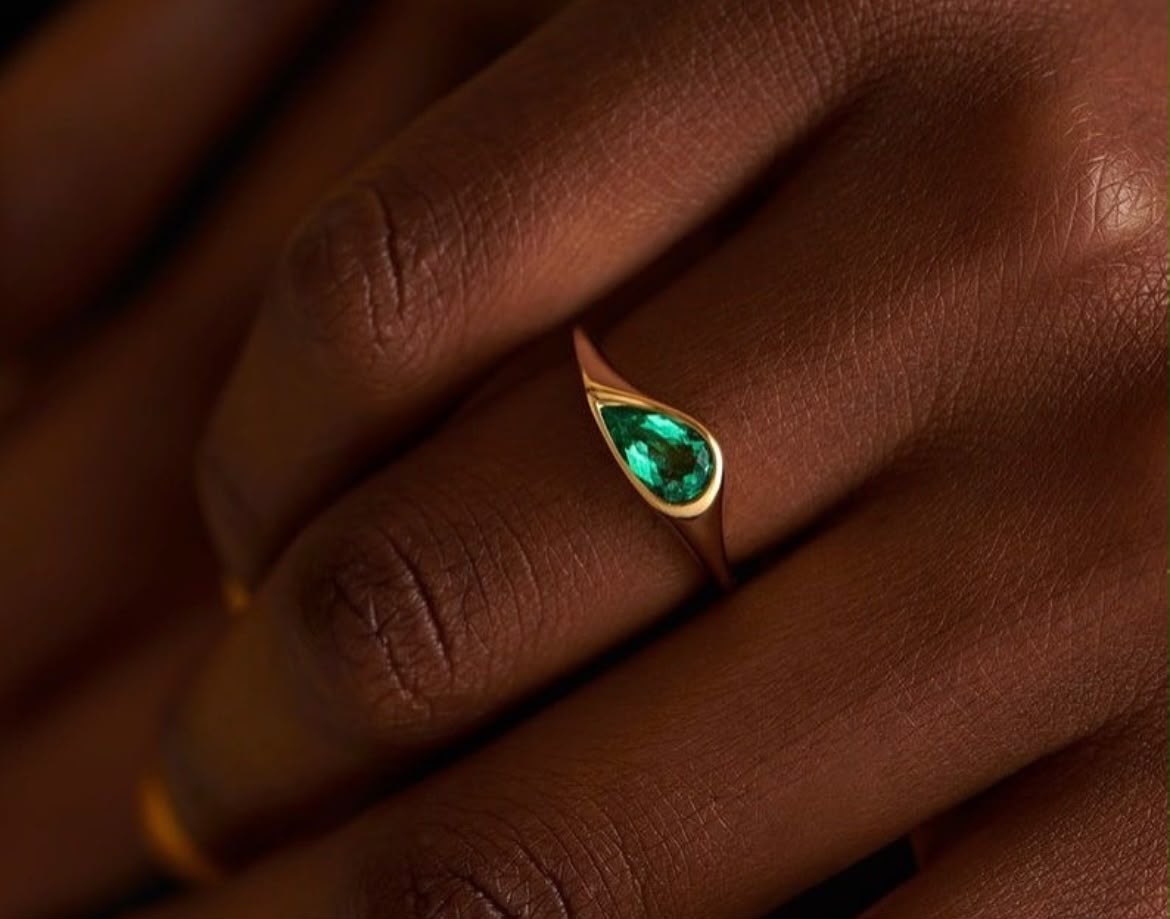
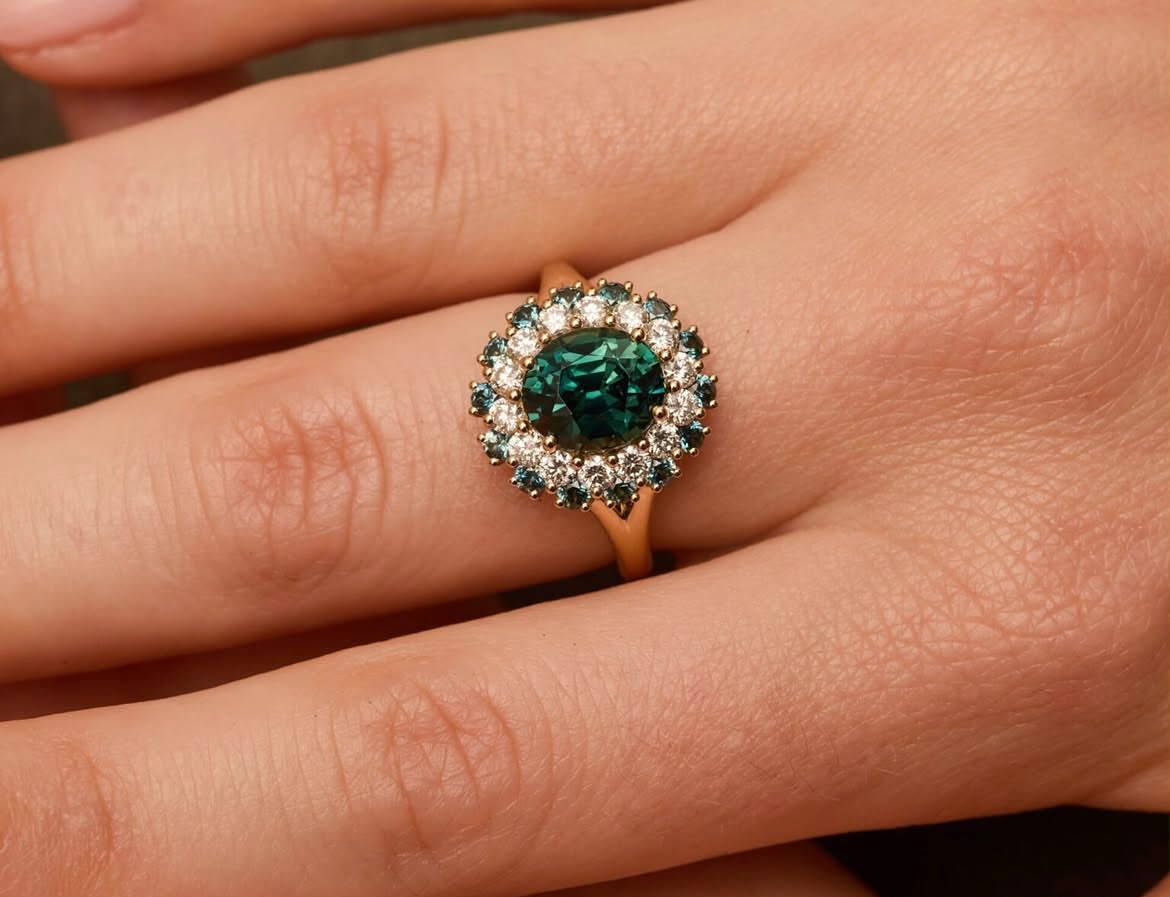
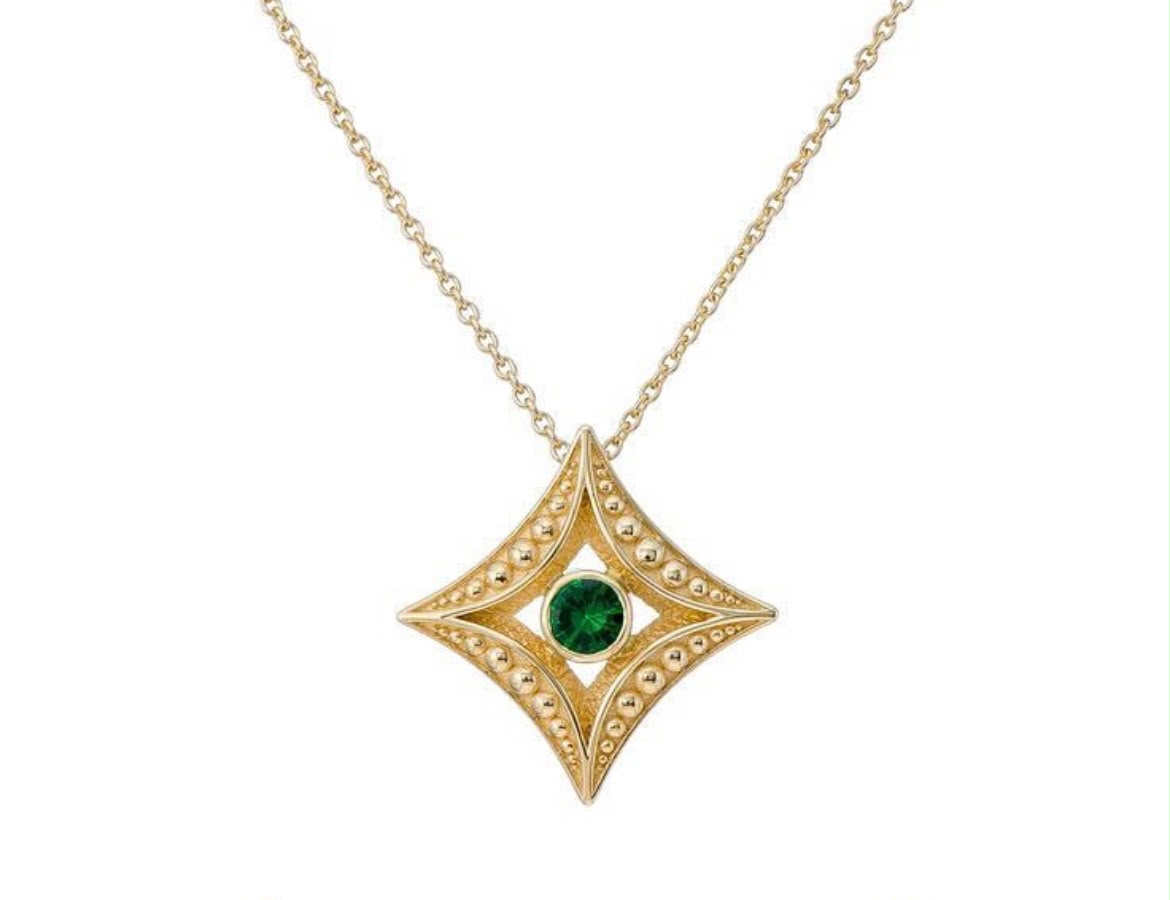
Hatatian chooses to answer anyway. We source directly. We pay fairly — because the miners, cutters and goldsmiths are the reason any of it exists. We trace every stone from the hands that found it to yours, and every stone is natural, unenhanced and untreated, with certification available on request. Tsavorite garnet — from Kenya's Taita Taveta region and 200 times rarer than emerald — is still not a household name. We exist, in part, to change that, and to make sure Africa is credited for what it gives the world.
A name built the honest way
That commitment has been noticed. Hatatian has been featured on NTV Kenya, and in The Nomad magazine's East Africa and South Africa editions, and in February 2027 we take the house to New York Fashion Week. We are proud of every one of those moments — and we hold ourselves to the same standard in each: the story behind a piece has to be as remarkable as the stone inside it.
This is not simply a jewelry business. It is a way of honoring the earth that produced these stones, the people who found them, and the woman who first showed a young girl that what you wear can be an act of love.
Woman-led
Founded in Nairobi by Hanly Mutsune, now based in Mombasa.
Made in Kenya
Designed and crafted here, with African gemstones.
Ethically traced
Direct sourcing, fair pay, full chain of custody.
8
Years of craft
100%
Ethically traced
KE
Made in Kenya
200×
Tsavorite rarer than emerald